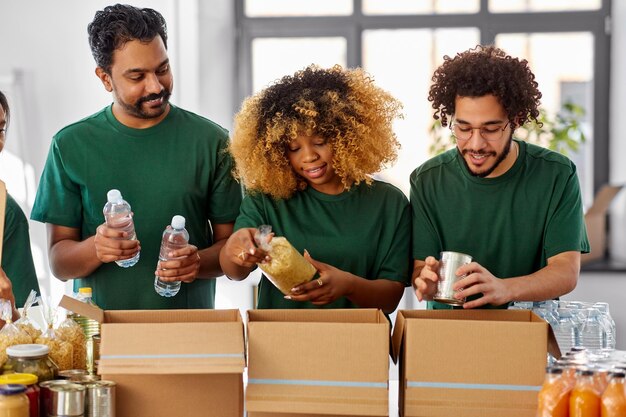
Free Community Food Box Programs: Your Practical Guide to Finding Free Meals and Food Delivery Nearby
When paying for groceries starts to feel impossible, the idea of getting a free box of fresh food delivered to your neighborhood can be a lifeline. All over the country, community food box programs are quietly helping people stretch their budgets, reduce food waste, and put real meals on the table—no strings attached, and often with no proof of income required.
This guide walks you through what free community food box programs are, how they work, and exactly how to find and access them near you. You’ll also learn what to expect, how to prepare, and ways to make the most of every box you receive.
What Are Free Community Food Box Programs?
Free community food box programs are local efforts to distribute groceries or prepared meals at no cost to individuals and families. They usually provide a box or bag of food that can include:
- Fresh fruits and vegetables
- Pantry staples (rice, pasta, beans, canned goods)
- Dairy or plant-based alternatives
- Bread and baked goods
- Sometimes meat, eggs, or frozen items
- Occasionally ready-to-eat meals
These programs often operate through:
- Food banks and food pantries
- Community centers and faith organizations
- Mutual aid groups and neighborhood volunteers
- Schools, libraries, and local nonprofits
- Senior centers and disability support services
The goal is simple: help people access enough food, especially when money, transportation, or time are limited.
Why These Programs Exist — And Who They’re For
Community food box programs began expanding as communities noticed:
- Many households struggle to afford groceries regularly.
- People may live far from affordable grocery stores (“food deserts”).
- Seniors, people with disabilities, and caregivers may have limited mobility.
- Unexpected events—job loss, illness, natural disasters—can quickly strain budgets.
These programs are generally open to a wide range of people, including:
- Individuals and families with low or unstable income
- Workers whose paychecks don’t cover rising costs
- Seniors on fixed incomes
- Students and young adults living away from home
- People between jobs or going through transitions (like moving or separation)
Most programs are nonjudgmental and designed around privacy and respect. Some ask basic questions about family size or income range to plan supplies, but many do not require extensive documentation.
Types of Free Community Food Programs You Might Find
Different programs operate in different ways. Knowing what’s out there helps you decide what might fit your situation best.
1. Food Box Pickup Programs
These are scheduled distribution events where you go to a location and receive a pre-packed box of food.
Common features:
- Set days and times (once a week, twice a month, or monthly)
- First-come, first-served or pre-registration
- Boxes usually contain a mix of perishables and shelf-stable items
- Some allow one box per household; others may adjust based on family size
These are often run by food banks, churches, community centers, or school-based programs.
2. Free Food Delivery and Drop-Off Services
Some areas offer free food box delivery, especially for people who:
- Are homebound or have limited mobility
- Do not have a car and have difficulty using public transit
- Are caring for children or family members and cannot easily leave home
Delivery might be:
- Done by volunteers using their own vehicles
- Organized by local nonprofits or mutual aid networks
- Limited to certain neighborhoods or zip codes
Delivery programs often require advance sign-up and may check eligibility more closely to prioritize those with the greatest need.
3. Grab-and-Go Prepared Meal Programs
Instead of groceries, some programs hand out ready-to-eat meals:
- Hot meals in containers
- Pre-packaged salads, sandwiches, or simple entrees
- Frozen meals you can reheat at home
These are common at:
- Community kitchens
- Senior centers
- Youth centers and school meal programs
- Street outreach initiatives
They’re especially helpful for people who don’t have full kitchen access or limited time or energy to cook.
4. Mutual Aid and Neighborhood Food Share
Mutual aid groups are informal, community-led efforts where neighbors help neighbors. Food support through mutual aid might include:
- Community fridges stocked with free food
- “Take what you need, leave what you can” pantries
- Volunteers preparing meal kits or produce boxes
- Group grocery runs where people share what they buy
These programs often operate without strict eligibility rules, focusing on trust and shared support.
How to Find Free Community Food Box Programs Near You
Finding programs can feel overwhelming if you don’t know where to start. Breaking it into specific steps helps.
Step 1: Start With Local Food Banks and Pantries
Most regions have one or more central food banks that supply smaller food pantries and community partners. These organizations often maintain:
- Lists of upcoming food box distribution events
- Maps or directories of partner pantries
- Schedules for mobile food trucks that visit different neighborhoods
You can:
- Search online using phrases like “food bank near me” or “free food box [your city]”
- Call the main food bank in your region and ask:
- When and where food box distributions take place
- Which sites offer drive-through or walk-up pickup
- Whether delivery options exist for people who can’t travel
Step 2: Check Community Centers, Faith Groups, and Nonprofits
Many community organizations host food box programs even if they are not primarily food-focused. Examples include:
- Neighborhood resource centers
- Churches, mosques, temples, and other faith groups
- Immigrant or refugee support organizations
- LGBTQ+ centers
- Youth and family service agencies
You can:
- Call or visit their front desk and ask if they host food distribution events.
- Look for flyers or bulletin boards advertising “free groceries,” “community food boxes,” or “food share events.”
Even if they don’t run a program themselves, staff often know about other nearby resources.
Step 3: Use Public Institutions as Starting Points
Public institutions frequently connect people to food support:
- Libraries often host community resource boards or printed lists of local food programs.
- Schools might send home flyers about free weekend food bags, meal kits, or family food boxes.
- City or county offices sometimes maintain resource lists for residents in need.
You can ask:
- “Do you have information about free food box programs or free meals in this area?”
- “Is there a community resource list I can take home?”
Step 4: Look for Mutual Aid and Grassroots Efforts
Mutual aid networks and community fridges can be less visible but just as helpful. To find them:
- Search for terms like “community fridge [your city],” “mutual aid [your city] food,” or “free pantry [your neighborhood].”
- Ask neighbors, tenant associations, or local social groups if they know of informal food share efforts.
- Check social media community groups or neighborhood forums for posts about free food distributions.
These groups typically share up-to-date, local information about:
- When and where food boxes are available
- Whether there are any special events (holiday food drives, seasonal produce giveaways)
What to Expect When You Receive a Community Food Box
The contents of a free food box can vary widely, but some patterns are common.
Typical Items You Might Receive
You may see a mix of:
- Produce: potatoes, onions, carrots, apples, greens, seasonal fruits
- Proteins: beans, lentils, canned tuna or chicken, sometimes fresh meat or eggs
- Grains: rice, pasta, oats, bread, tortillas
- Dairy or alternatives: milk, yogurt, cheese, or plant-based drinks
- Extras: snacks, condiments, pantry staples like oil or flour
Some programs focus on fresh produce, while others lean more on shelf-stable groceries.
Variability and Surprise Factor
Because these programs often rely on donations and surplus, the exact mix is often unpredictable:
- Some weeks you might receive several types of fresh vegetables.
- Other times, the box may feature more canned and packaged goods.
- Expiration dates might be close but still safe to use if stored correctly.
Many people find it helpful to treat each box like a starting point for meal planning, using what’s on hand and supplementing with low-cost items if possible.
Dietary Needs and Restrictions
Not all programs can accommodate specific dietary preferences (like vegan, gluten-free, or keto) or health-related restrictions (such as allergies). However, some:
- Offer separate boxes for vegetarian or halal options.
- Provide different choices if you ask politely and supplies allow.
If you have serious food allergies or medical dietary needs, it can be useful to:
- Bring a list of foods you absolutely cannot consume.
- Request to see what’s in the box before you take it home.
- Focus on clearly labeled packaged items and whole, single-ingredient foods (like plain rice, whole fruits, vegetables).
How to Sign Up or Access a Food Box Program
Details vary by location, but many programs follow similar patterns.
Common Access Models
Walk-Up, No Registration Needed
- You show up during distribution hours.
- You may stand in line and receive a box while supplies last.
Drive-Through Distribution
- You stay in your car.
- Staff or volunteers place food boxes in your trunk or back seat.
Pre-Registration Required
- You register online, by phone, or in person.
- You are assigned a pickup day, time, or appointment window.
Home Delivery by Registration or Referral
- You complete an application or are referred by a clinic, social worker, or community organization.
- Boxes are delivered to your door on a scheduled day.
Information You Might Be Asked For
Programs may ask for:
- Your name and contact information
- The number of people in your household
- Your general income range (often optional)
- Whether you have dietary or mobility concerns
In many places, you do not have to show proof of citizenship. Requirements differ, but many community-based programs focus on getting food to people first, with minimal barriers.
What to Bring With You
To make pickup smoother, it can be helpful to bring:
- A sturdy reusable bag or cart if boxes are heavy
- A photo ID (only if the program mentions it)
- Insulated bags or a cooler if you have a long trip home
- A list of questions (for example, “Are there other programs on different days?”)
Making the Most of Your Free Food Box
Once you bring your box home, a little planning can help you stretch it further and reduce waste.
1. Sort and Store Right Away
When you get home:
- Separate perishables (like meat, dairy, and fresh produce) from shelf-stable items.
- Refrigerate or freeze temperature-sensitive foods as soon as possible.
- Place foods with earlier use-by dates toward the front of the fridge or pantry.
This simple step helps preserve food quality and gives you a clear picture of what to use first.
2. Plan Meals Around What You Have
Rather than starting with a recipe and shopping for it, reverse the process:
- Look at the main ingredients in your box.
- Choose simple meals that match what’s on hand, such as:
- Rice and beans with sautéed vegetables
- Pasta with canned tomatoes and vegetables
- Vegetable soups or stews
- Egg or bean-based dishes with bread or tortillas
If cooking feels challenging, one-pot meals, sheet-pan dishes, or basic stir-fries can reduce cleanup and make it easier to use many ingredients at once.
3. Use Your Freezer Strategically
Freezing can help you preserve:
- Bread and baked goods
- Extra cooked rice, beans, or soups
- Raw meat (if safe and within recommended timeframes)
- Overripe fruits for smoothies or baking
Label containers with what’s inside and the date to avoid mystery items later.
4. Trade or Share Within Your Community
If your box contains items you cannot use or eat:
- Consider trading with friends, neighbors, or family.
- Share extras with someone nearby who might also be struggling.
- Check if your area has a community fridge or free pantry where you can leave items for others.
This helps prevent waste and supports a wider circle of people.
Quick-Glance Guide: How to Find and Use Free Food Box Programs 🍎
| ✅ Step | What to Do | Why It Helps |
|---|---|---|
| 🔍 1 | Search for local food banks and pantries | Connects you with main sources of food box programs |
| 🏛️ 2 | Ask community centers, faith groups, and schools | Reveals smaller programs that may not be widely advertised |
| 📞 3 | Call or visit to confirm times and requirements | Saves you time and avoids missed distributions |
| 🧺 4 | Bring bags, a cart, or a vehicle for pickup | Makes it easier to carry heavier boxes home |
| 🧊 5 | Sort and refrigerate or freeze food right away | Preserves quality and reduces spoilage |
| 🍽️ 6 | Plan simple meals around what’s in your box | Helps you stretch ingredients and reduce waste |
| 🤝 7 | Share or trade items you don’t use | Supports others and makes sure nothing goes unused |
Special Considerations: Seniors, Families, and People With Limited Mobility
Different groups may face specific challenges. Many communities tailor programs with these needs in mind.
Seniors and People With Disabilities
Some programs are designed to support older adults and those with mobility challenges. These might include:
- Home-delivered groceries arranged through senior centers or disability service agencies
- Volunteers who carry boxes up stairs or into apartments
- Special sign-up lists prioritizing people who cannot attend in-person distributions
Public service agencies, senior centers, or health clinics often know about these programs and can help with referrals or registration.
Families With Children
Programs aimed at families often:
- Align with school schedules, offering food boxes during breaks or weekends
- Include kid-friendly items, simple snacks, or quick meal options
- Provide information about additional school meal programs, such as free or reduced-price breakfast and lunch during the school year
Parents and caregivers can ask schools or youth centers if they partner with any “family food box” or weekend food bag initiatives.
People Without Reliable Transportation
If you don’t have a car:
- Look for walk-up distributions that are reachable by foot, bike, or public transit.
- Ask if carpooling or shared rides are common in your area.
- Check if any programs offer mobile distribution that travels between neighborhoods.
Mutual aid groups sometimes organize ride shares or door-to-door deliveries, especially in urban neighborhoods.
Common Questions About Free Community Food Box Programs
Do I have to prove my income?
It depends on the program. Some food pantries and box programs:
- Ask only for basic information (like name and household size).
- May request a simple self-declaration of need without documents.
Others, especially those connected to larger assistance systems, might ask for more detailed information. Staff typically explain why they ask and how the information is used.
Will using these programs affect other benefits?
In many places, accessing community food boxes, pantries, or meal programs is considered separate from formal government benefits. People often use them alongside other assistance like rental help or general social services. If you have specific concerns about how different benefits interact, community resource agencies or legal aid organizations sometimes provide general information and guidance.
What if I feel uncomfortable asking for free food?
Many people report feeling hesitant or embarrassed at first. Over time, a few things often help shift that feeling:
- Realizing these programs are created for community use and rely on people actually using them.
- Remembering that many volunteers and staff understand hardship firsthand and aim to treat everyone with respect and dignity.
- Seeing that a wide range of people—workers, families, students, retirees—stand in the same line.
Accessing food support is often framed within communities as a practical response to a systemic problem, not a personal failing.
How These Programs Help Communities as a Whole
While free food box programs directly help individuals, they also bring benefits to entire communities:
- Less food waste: Surplus food from farms, stores, and producers is shared instead of thrown away.
- Stronger local networks: Neighbors meet, share information, and support each other.
- Healthier eating options: Access to fresh produce and staple foods can help people prepare more home-cooked meals, when possible.
- Emergency resilience: In times of crisis—storms, economic shifts, or public health events—existing food distribution networks can respond more quickly.
Many communities view these programs as ongoing support systems, not just short-term emergency measures.
Tips for Navigating Free Food Programs With Confidence 🌱
Here are some practical, quick tips you can refer back to:
- 🕒 Check schedules regularly. Distribution days and times can shift, especially around holidays or seasonal changes.
- 📱 Stay connected. If you can, keep a note on your phone or a small notebook listing locations, days, and contact numbers.
- 🚶 Arrive early when possible. Supplies can be limited, and early arrival often means more variety.
- 🗣️ Ask questions. Volunteers and coordinators can often point you to other resources if you need more frequent support.
- 🍴 Keep it simple. Focus on easy recipes and basic cooking methods that work with whatever you get.
- 🤲 Use what you can, share what you can’t. Passing along extra items continues the chain of community support.
When You’re Ready to Take the Next Step
Accessing free food through community programs is often a starting point, not the whole solution. As your situation changes, you might choose to:
- Explore employment, housing, or financial counseling services offered by the same organizations.
- Learn simple cooking techniques that help stretch ingredients further.
- Connect with neighbors or mutual aid groups for social support, skill-sharing, or rides to distributions.
- When and if it feels possible for you in the future, volunteer or contribute in small ways—time, information, or even just encouragement to others.
Community food box programs are designed with a fundamental idea in mind: everyone deserves access to food, regardless of their current circumstances. Knowing how to find them, what to expect, and how to use them well can turn a stressful, uncertain situation into something a little more manageable and a lot more supported.
If you’re considering reaching out to a program near you, it can be enough simply to take one step: make a call, visit a site, or ask a local organization where to start. From there, the path to regular, reliable food support often becomes much clearer.