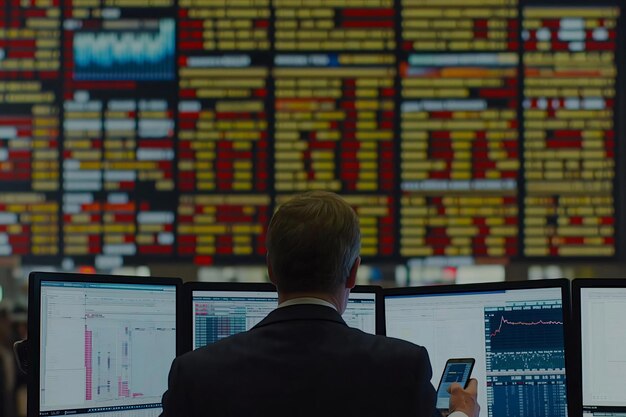
How To Stay On Top of Breaking World News and Financial Market Updates
World events and financial markets move quickly. A surprise central bank decision, an unexpected election result, or a sudden geopolitical crisis can shift stock prices, currencies, and commodities within minutes. For anyone interested in finance—whether casually tracking investments or deeply engaged in trading—staying informed in real time can feel less like a choice and more like a necessity.
Yet constant updates can also be overwhelming. Headlines compete for attention, notifications never stop, and it can be hard to separate meaningful signals from distracting noise.
This guide walks through how to stay informed with breaking world news and financial market updates in a way that is organized, sustainable, and useful for making thoughtful financial decisions.
Why Real-Time News Matters in Finance
Financial markets respond to information. When new facts appear—about economies, companies, or governments—prices adjust as investors reassess risk and opportunity.
Some examples of news that often move markets include:
- Economic data: inflation readings, employment figures, growth estimates
- Central bank actions: interest rate announcements, policy changes, speeches
- Corporate updates: earnings results, guidance changes, major mergers or scandals
- Geopolitical events: conflicts, sanctions, trade agreements, elections
- Unexpected shocks: natural disasters, health crises, cybersecurity incidents
Being aware of these developments can:
- Help explain why markets are moving on a given day
- Offer context for portfolio performance or asset price swings
- Provide background for longer-term financial planning and strategy
- Support more informed conversations with financial professionals
At the same time, not every headline deserves immediate action. The goal is not to react to every alert, but to build a reliable, calm, and structured way of staying informed.
Building Your Personal “Information Stack”
Instead of trying to follow everything everywhere, it helps to design a personal information stack: a mix of sources and tools that fit your interests, time, and attention span.
1. Define Your Information Priorities
Before choosing sources, clarify what you actually need:
Time horizon:
- Long-term investor? You might prioritize big-picture trends and weekly summaries.
- Active trader? You might focus more on intraday news and live data.
Key interests:
- Global macroeconomics
- Specific regions (e.g., Europe, Asia-Pacific)
- Asset classes (stocks, bonds, currencies, commodities, crypto)
- Specific sectors (technology, energy, healthcare, etc.)
Depth vs. speed:
- Do you want quick alerts or in-depth analysis?
- A mix often works best: fast headlines + fewer, deeper explainers.
Once you know what matters most, you can choose tools more deliberately.
2. Core Components of an Effective Information Stack
A balanced setup often includes:
- Headline sources – to know what just happened
- Market data tools – to see how prices are reacting
- In-depth analysis – to understand why it matters
- Scheduled summaries – to organize and review learning
- Filters and alerts – to reduce noise and boost relevance
Types of News Sources and How to Use Them
Different formats serve different purposes. Combining them strategically can keep you informed without burning out.
Real-Time News Feeds
Real-time feeds deliver headlines as they break. These are useful if you:
- Monitor markets during trading hours
- Want quick awareness of major macro or corporate events
- Need to confirm why a price is moving sharply
Common features across many real-time services:
- Headline streams organized by topic (markets, economy, politics)
- Custom watchlists that surface news about specific companies or sectors
- Alert settings for major events or keywords
How to use them effectively:
- Keep a limited watchlist: specific tickers, sectors, and key topics.
- Skim for only the most relevant headlines instead of reading everything.
- Use them more during active market hours, and less during downtime.
Financial Television and Live Video
24-hour financial news channels and live web broadcasts offer:
- Ongoing coverage of markets, press conferences, and major announcements
- Commentary from analysts, economists, executives, and policymakers
- Visuals such as charts and tickers that show live price movements
Possible benefits:
- Helpful for big, complex events (e.g., central bank conferences, crisis coverage)
- Provides real-time reactions and background context
Possible drawbacks:
- Can be noisy and commentary-heavy
- May encourage short-term thinking if watched continuously
A practical approach is to tune in only for major scheduled events or use recap clips rather than leaving the screen on all day.
Email Newsletters and Daily Briefings
Curated email briefings and market summaries can be especially valuable if you:
- Prefer structured, once- or twice-a-day updates
- Want a mix of world news, market news, and analysis
- Have limited time and need quick, organized overviews
Typical formats include:
- Morning briefings with overnight market moves and upcoming events
- Closing summaries with explanations of the day’s biggest stories
- Weekly outlooks with key themes and calendars for the week ahead
To keep newsletters helpful rather than overwhelming:
- Subscribe to only a few high-quality briefings that match your interests.
- Unsubscribe from emails you rarely read to reduce clutter.
- Set a specific time (for example, early morning or evening) to go through them.
Podcasts and Long-Form Audio
Financial and news podcasts can make it easier to stay informed while commuting, exercising, or doing routine tasks.
Common formats:
- Daily news roundups in 10–20 minutes
- Weekly deep dives into one major theme (inflation, housing, tech regulation)
- Interviews with economists, strategists, or business leaders
Advantages:
- Efficient way to absorb context and analysis
- Often explain why something matters, not just what happened
Tips for using audio effectively:
- Follow a small number of consistent shows rather than many.
- Use playback speed controls if comfortable listening slightly faster.
- Save episodes covering topics relevant to your investments or interests.
Social Media and Community Forums
Social platforms and community forums can surface:
- Breaking rumors or early signals (sometimes before mainstream outlets)
- Commentary from practitioners, analysts, and experienced investors
- Diverse viewpoints and debates on policies and market moves
Potential advantages:
- Speed: stories sometimes appear quickly
- Range of perspectives: from institutional to individual viewpoints
Potential risks:
- Information may be unverified, biased, or incomplete
- Strong opinions can amplify fear or excitement
- It can be time-consuming and distracting
If you use social platforms for news:
- Treat early posts as signals to investigate, not facts.
- Cross-check important claims against reputable news and data sources.
- Consider limiting time spent scrolling and only following accounts that add real value.
Understanding Financial Market Updates
Knowing what changed is step one; understanding it is step two. Market updates help bridge that gap.
Key Market Areas to Track
Depending on your interests, you might focus on:
- Stock markets – major indices, sectors, and key companies
- Bond markets – government yields, credit conditions, and spreads
- Currencies (FX) – major exchange rates and policy-sensitive pairs
- Commodities – energy, metals, and agricultural products
- Alternative assets – such as real estate, venture capital, or digital assets
Not all of these need daily attention, but being familiar with a few helps you interpret headlines more clearly.
Common Elements in Market Reports
Daily or intraday market reports often highlight:
- Index performance – whether major benchmarks are up or down
- Sector moves – which industries are leading or lagging
- Top gainers and losers – notable companies with large moves
- Macro drivers – data releases, policy news, or global events
- Market sentiment – whether investors seem risk-seeking or risk-averse
These summaries can be found on financial news sites, in newsletters, or in market terminals and apps.
Economic Calendars: Planning Around Scheduled Events
Many significant market-moving events are scheduled in advance, such as:
- Interest rate decisions and press conferences
- Inflation, employment, and growth data releases
- Corporate earnings reports
- Government budgets and policy announcements
An economic calendar or earnings calendar helps you prepare:
- You can decide which events are most relevant to you.
- You can avoid being surprised by sudden, seemingly random moves.
- You can choose when to pay closer attention to the news flow.
Filtering Noise Without Missing What Matters
One of the biggest challenges with breaking news is not a lack of information, but an excess of it. The key is filtering.
Distinguish Signal from Noise
Not every headline justifies a change in financial plans. Some guidelines many informed readers use:
- Signal: announcements that directly alter earnings, interest rates, regulations, or broad economic outlooks
- Noise: minor rumors, repetitive commentary, or sensational framing without new facts
Ask yourself:
- Does this news change the fundamentals of a company, sector, or economy?
- Is the market reaction sustained, or just a short-term spike?
- Is this likely to affect my time horizon (days, months, years)?
Create Simple, Focused Filters
You can configure most apps and services to narrow what you see:
- Follow specific tickers, indices, or countries instead of everything.
- Use keywords like “interest rate,” “inflation,” or “earnings” selectively.
- Turn off non-essential push alerts and keep only high-impact notifications.
📝 Quick Filtering Tips
- 📌 Follow what you own or plan to own
- 📌 Track a few economic indicators, not all
- 📌 Mute sources that rely mainly on sensational language
- 📌 Use watchlists to group related assets and news
Combining World News with Market Data
World news and market updates become most powerful when interpreted together.
How Global Events Flow into Financial Markets
A simple chain often looks like this:
- Event: A government announces a new policy or a conflict escalates.
- Interpretation: Investors assess how this might influence growth, inflation, profits, or risk.
- Market Reaction: Prices adjust as participants rebalance positions.
Examples of links between news and markets can include:
- Elections and policy changes affecting taxes, regulation, or trade
- Geopolitical tensions influencing energy prices, currency flows, or safe-haven assets
- Health or environmental crises disrupting supply chains and corporate operations
- Technological and regulatory changes altering the outlook for specific industries
When you read a headline, try to connect it to:
- Which region or sector might be most affected
- Whether it changes expectations for inflation, growth, or profits
- Whether it alters the perceived risk level in markets
Using Charts to Add Context
Seeing how prices move around key news can deepen understanding:
- Is the market reacting more strongly than usual to a data release?
- Does a seemingly big headline produce only a small price move?
- Is a move part of an existing trend or a clear reversal?
This combination—news + price action—helps reveal how important an event might be to investors as a group.
Setting Healthy Boundaries With Constant News
Staying informed can be valuable, but nonstop news consumption can also be draining. Many people find it helpful to set clear boundaries and routines.
Establish a News Routine
Instead of reacting to every notification, plan when and how you’ll catch up:
- Morning: scan a brief market and world news summary
- Midday (if needed): check for major developments
- Evening: review key stories and think about the bigger picture
This structure keeps you updated without feeling pulled in all day.
Limit Push Notifications
Push alerts can be helpful for:
- Truly major events: central bank decisions, large geopolitical developments, critical corporate news for specific holdings
But if everything is marked “breaking,” nothing really is. Consider:
- Turning off non-essential alerts
- Leaving on only high-priority notifications that match your goals
- Checking apps on your schedule, instead of theirs
Balance Short-Term and Long-Term Views
Fast news often emphasizes daily moves. Long-term financial outcomes, however, usually depend more on sustained trends and fundamentals.
It can help to regularly step back and ask:
- How does this fit into the longer-term economic or market picture?
- Am I reacting to a headline or to a genuine change in underlying conditions?
Practical Setup Examples for Different Types of Readers
Below is a simple table illustrating how different people might structure their information flow.
| Type of Reader | Main Goal | Suggested Focused Setup |
|---|---|---|
| Long-Term Saver/Investor | Understand big trends, not every tick | 1–2 daily briefings, weekly market summary, selective push alerts for major news |
| Active Market Follower | Track markets most days | Real-time news app with watchlists, morning and closing summaries, economic calendar |
| Professional/Advanced User | Deep engagement with markets | Real-time terminals or feeds, detailed research reports, scheduled monitoring of key events |
| Curious Beginner | Learn without overload | One market newsletter, a short daily news podcast, occasional in-depth explainer reads |
You can adapt and mix elements from each profile to match your own needs.
Simple Checklist: Staying Informed Without Overload
Here’s a concise checklist you can use to build or refine your approach:
✅ Clarify your goals
- Are you a long-term investor, trader, or simply curious about global finance?
✅ Choose 2–3 primary news sources
- One for world news, one for markets, optionally one for deeper analysis.
✅ Set up watchlists
- Add major indices, your holdings or areas of interest, and key economic indicators.
✅ Use an economic calendar
- Note upcoming central bank meetings, major data releases, and earnings seasons.
✅ Limit alerts
- Enable notifications only for high-impact events and specific assets you care about.
✅ Build a routine
- Decide when you’ll check news (for example, morning, midday, and evening).
✅ Review and adjust
- Every few weeks, remove sources you don’t use and refine your filters.
Using News to Support Thoughtful Financial Decisions
Staying informed is most helpful when it supports clearer thinking, not emotional reactions.
You might use your news and market knowledge to:
- Discuss questions and options more productively with financial professionals
- Better understand how external events influence your portfolio or savings
- Develop your own perspective on economic and market conditions over time
As you build a steady, well-filtered flow of world news and financial updates, patterns become easier to see. You start to recognize which events tend to have lasting impact, which are usually short-lived, and how sentiment shifts around them.
In a world where headlines can change by the minute, your real advantage is not speed alone but structure, perspective, and calm. By choosing your sources intentionally, setting thoughtful filters, and following a consistent routine, you can stay informed about breaking world news and financial market updates in a way that truly serves your financial understanding and long-term goals.