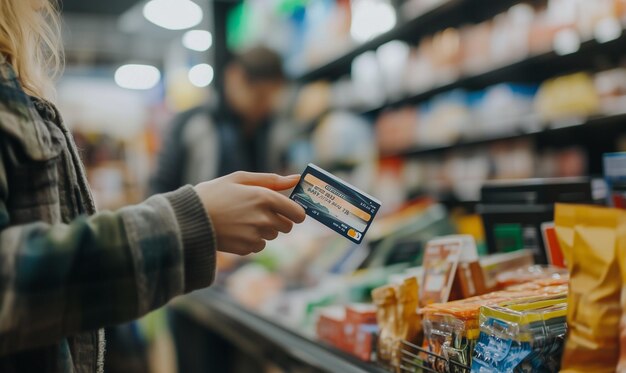
Grocery Store Credit Cards: A Practical Guide to Maximizing Loyalty Rewards and Everyday Benefits
If you buy groceries regularly—which almost everyone does—there’s a quiet opportunity built into your weekly spending: grocery store credit cards and loyalty programs. Used thoughtfully, they can turn routine purchases into meaningful rewards like discounts, cash back, fuel savings, or free groceries.
At the same time, these cards can be confusing. Store cards, co-branded cards, loyalty apps, rotating bonus categories—there’s a lot to sort through. This guide breaks it all down in clear, practical language so you can decide whether a grocery store credit card fits your financial habits and how to get the most from it if you choose to use one.
How Grocery Store Credit Cards Actually Work
Before diving into strategies, it helps to understand what people usually mean by “grocery store credit card.” There are a few main types.
Store-only credit cards vs. co‑branded cards
Most grocery cards fall into two broad categories:
Store-only (closed-loop) credit cards
- Issued by or for a specific grocery chain.
- Can usually only be used at that store (and sometimes its affiliates).
- Often connect directly to the store’s loyalty program, giving extra discounts or rewards on top of sale prices.
- May offer special financing on big purchases, or exclusive offers for cardholders.
Co‑branded or open-loop grocery cards
- Issued by a major card network (like Visa, Mastercard, or similar).
- Can be used anywhere the network is accepted, not just at one grocery chain.
- Frequently offer elevated rewards on grocery purchases, and sometimes on gas or dining as well.
- Often still tie into a specific store’s loyalty ecosystem or partnership for extra bonuses.
There are also general rewards cards (not tied to a particular store) that offer bonus rewards on groceries as one of their main categories. These are not “grocery store cards” in branding, but they compete directly by rewarding grocery spending.
How rewards are usually structured
Most grocery-related cards use some combination of:
- Cash back – A percentage of your purchases returned as statement credits or deposits.
- Points – Can be redeemed for discounts, gift cards, travel, or sometimes at checkout for groceries.
- Store credits or coupons – Rewards that must be used at a specific chain.
- Fuel points – Rewards that reduce the price per gallon at partner gas stations.
- Instant discounts – Extra cents off per item or per dollar spent when using the card and/or loyalty number.
Different cards emphasize different benefits, but the basic idea is the same: reward you for spending in a category you use constantly—groceries.
Why Grocery Store Credit Cards Can Be Attractive
For many shoppers, grocery cards stand out compared to general credit cards because of how routine grocery spending is.
Turning everyday spending into meaningful rewards
Grocery shopping is a recurring, predictable expense. Because of that:
- Rewarding grocery purchases can add up steadily over time.
- There’s usually no need to change your routine—you keep buying what you already need, but earn more back.
- Rewards like fuel discounts or free groceries are very tangible and easy to appreciate.
When someone focuses their grocery spending on a single store and pairs it with that store’s card and loyalty program, rewards can become more consistent and easy to track.
Layered loyalty: card + store program + apps
One of the most powerful aspects of grocery credit cards is the ability to stack benefits:
- Store loyalty account gives you base discounts, digital coupons, and sale pricing.
- Grocery store credit card adds extra rewards, such as higher points or cash back on top of sale items.
- Manufacturer coupons or rebate apps can further reduce costs.
Used together, these tools can turn a normal shopping trip into one where almost every item is optimized for some form of savings or reward.
Grocery Store Credit Cards vs. General Rewards Cards
People often wonder whether it’s better to use a dedicated grocery card or a more flexible rewards card.
Key differences to consider
Here’s a simple way to think about it:
| Feature | Store-Only Grocery Card | Co‑Branded / General Rewards Card |
|---|---|---|
| Where you can use it | Usually only at one chain | Many stores and merchants |
| Reward type | Store credits, fuel, discounts | Cash back, points, travel, or flexible |
| Integration with loyalty | Usually very tight | Varies; sometimes indirect |
| Best for | Single-store loyal shoppers | Mixed-store shoppers or broader spending |
| Flexibility of rewards | Often more limited | Typically more flexible |
Many consumers find that general rewards cards with strong grocery categories provide more flexibility if they shop at multiple stores, while store cards can be more valuable if they are already loyal to one chain and want deeper benefits there.
When a store card might fit well
A store-branded grocery card tends to be most appealing when:
- You regularly shop at one primary chain and rarely switch.
- That chain offers high-value fuel rewards, special card discounts, or exclusive offers.
- You like the idea of redeeming rewards in the same place you earn them—for example, using points for free groceries.
When a general rewards card might be better aligned
On the other hand, a non-store-specific card can suit people who:
- Rotate among different grocery chains, warehouse clubs, or local markets.
- Prefer cash back or flexible points that can be used for a variety of expenses.
- Want simpler management, with one main card rewarding most of their spending.
Many consumers end up using a combination: for example, a general rewards card for most purchases and a store card only at a specific chain when the benefits clearly exceed other options.
Maximizing Loyalty Rewards: Practical Strategies
The heart of getting value from grocery credit cards is using them deliberately, not just automatically swiping. Below are ways shoppers commonly maximize rewards.
1. Align your card with where you actually shop
This seems obvious, but it’s one of the most important points:
- Look at your past few months of spending (bank app, budgeting app, or receipts).
- Note which grocery stores you visit most often.
- Choose a card (or combination of cards) that matches those patterns, instead of changing your habits only to chase rewards.
People often get the most value when the card fits their existing routine, not the other way around.
2. Stack card rewards with loyalty programs
Many grocery chains have tiered or points-based loyalty systems. To maximize them:
- Always link your loyalty account to your credit card or scan it at checkout.
- Watch for “multiplier” promotions, such as double points on certain days or product categories.
- Redeem points strategically for:
- Bigger single discounts (like a larger fuel discount),
- Weekly free item offers,
- Or periodic “spend X, get Y off” deals.
🔎 Tip: Some shoppers find it helpful to plan at least one larger shopping trip per month during a promotion window to hit spending thresholds that unlock additional rewards.
3. Use fuel rewards wisely
Many grocery cards and loyalty programs offer fuel points that can be redeemed at partner gas stations.
Common strategies include:
- Consolidate fuel purchases: Redeem fuel points when you can fill up more of your tank, so the per-gallon discount covers more fuel.
- Time redemptions: Use fuel rewards close to their expiration date to avoid losing value.
- Coordinate with household members: One driver might be designated to redeem fuel rewards to avoid splitting discounts inefficiently.
Fuel rewards don’t change your grocery bill directly, but they can reduce overall transportation expenses, which is closely related to household budgeting.
4. Pay attention to rotating or seasonal grocery promotions
Some cards and grocery programs offer rotating bonus categories or seasonal events, such as:
- Extra rewards on holiday grocery purchases.
- Special multipliers on gift cards bought at the grocery store.
- Limited-time deals on household staples or fresh produce.
These promotions can significantly increase the value of your regular grocery budget. Planning certain purchases to coincide with these windows—when practical—can help you earn more without overspending.
Avoiding Common Pitfalls and Hidden Costs
While grocery store credit cards can be beneficial, they are still credit products. It’s helpful to be aware of potential drawbacks.
Higher interest rates and fees
Many store-branded cards come with:
- Higher standard interest rates than some general cards.
- Possible annual fees, although many grocery-focused cards do not charge them.
- Late payment fees if due dates are missed.
If a balance is carried month to month, interest charges can outweigh rewards very quickly. That’s why many consumers aim to use these cards in ways that minimize or avoid interest, such as paying statements in full whenever possible.
Promotional financing and deferred interest
Some store cards promote special financing, such as “no interest for X months” on large purchases. A few important considerations:
- If the balance is not fully paid by the end of the promotional period, interest may be charged retroactively from the original purchase date.
- Minimum payments may not be enough to clear the promotional balance in time.
Reading the terms carefully and tracking when promotions end helps prevent unwanted surprises.
Overspending to “chase” rewards
A frequent behavioral trap is spending more than planned just to:
- Hit a spend threshold for a bonus.
- Earn a certain number of extra points.
- Unlock a higher-tier loyalty status.
The value of extra rewards usually does not justify buying items that wouldn’t have been purchased anyway. Many consumers find that the best results come when:
- The shopping list drives the trip, not the rewards.
- Rewards are treated as a bonus, not a reason to add unnecessary items.
Evaluating Whether a Grocery Store Credit Card Fits You
There’s no one-size-fits-all answer. Instead, it can help to reflect on a few personal factors.
How often and where do you buy groceries?
Ask yourself:
- Do you mostly shop at one chain, or do you like variety?
- Is there a store you already use because of location, selection, or pricing, even without a card?
- Does that store’s loyalty or credit card program offer benefits you would actually use (fuel, groceries, household items)?
Someone who shops weekly at the same supermarket may see more benefit from that store’s card than someone who splits their list among several smaller shops.
Are rewards easy for you to track and use?
Every program has its own system. A card may be more useful if:
- You can quickly view your points or rewards in an app or online.
- Redemption options are straightforward (e.g., money off your bill, free groceries, or clear fuel discounts).
- Rewards do not expire too quickly for your shopping frequency.
Complex or confusing systems can lead people to leave value unclaimed, which reduces the overall usefulness of the card.
Your comfort level with credit
Grocery store credit cards are still credit products, which means:
- There is a credit check involved in most cases.
- New credit can affect your credit profile.
- Responsible use—such as on-time payments and manageable balances—can be an important aspect of maintaining healthy credit habits.
If you prefer to avoid credit altogether, you can still benefit from store loyalty programs that work with cash, debit, or prepaid options.
How to Compare Grocery Store Credit Cards Effectively
When you’re evaluating specific options, it can be helpful to compare them using a consistent checklist.
Key elements to look at
Here’s a simplified framework many consumers find useful:
| Comparison Area | What to Look For |
|---|---|
| Rewards rate on groceries | How much value you earn on grocery spending |
| Non-grocery rewards | Gas, dining, or other categories you use frequently |
| Redemption flexibility | Whether rewards are cash back, points, fuel, or store-only |
| Fees | Annual fees, late fees, foreign transaction fees |
| Interest terms | Standard interest rate, promotional offers, and fine print |
| Integration with loyalty | Whether it stacks with store programs and digital coupons |
| Ease of use | App quality, account access, and reward tracking |
📌 Quick comparison tip:
If two cards look similar, consider which one:
- Aligns better with your main grocery store.
- Offers rewards in other categories where you spend regularly (like gas or online shopping).
- Feels simpler to use and manage.
Practical Ways to Use Grocery Rewards in a Real Budget
Once rewards start accumulating, the next question is how to make them genuinely helpful in your financial life.
Stretching your grocery budget
Many shoppers use rewards to:
- Offset higher-priced staples, such as fresh produce, meats, or specialty items.
- Help cover holiday meals or seasonal events.
- Reduce the cost of bulk purchases, like pantry staples or household goods.
By treating rewards as a predictable part of your budget planning, you can allocate more of your own cash toward savings, debt reduction, or other priorities.
Building a “grocery buffer” with rewards
Some people like to let their rewards accumulate for a while, then:
- Redeem them all at once for a larger grocery run, effectively turning rewards into a mini “grocery fund.”
- Use them during tighter months for a bit of breathing room in the budget.
- Apply them to non-perishables and household goods, freeing up money for other expenses.
This approach can make rewards feel more impactful, especially when used intentionally rather than in small, scattered redemptions.
Smart Habits for Long-Term Success with Grocery Cards
The real value of a grocery store credit card usually emerges over months and years, rather than in a single shopping trip. A few steady habits can help keep things on track.
Track both spending and rewards
Even a simple approach can be effective:
- Review your monthly statements to see how much you spent at grocery stores.
- Note how many points, cash back, or fuel rewards you earned.
- Check which purchases actually drove the most rewards—for example, groceries, gas, or special promotions.
Over time, this can help you refine which card you reach for in which situation.
Use alerts and automatic tools
Many card issuers and grocery apps allow you to:
- Set spending alerts or payment reminders.
- Turn on automatic payments for at least the statement minimum, and adjust as you wish.
- Enable notifications for expiring rewards or special promotions.
These tools can reduce the mental load of managing multiple programs and help prevent missed payments or forgotten rewards.
Periodically re-evaluate your setup
Grocery habits and card programs can change:
- Stores may adjust reward structures, introduce new perks, or update fuel partnerships.
- Your own life may shift—moving neighborhoods, changing household size, or cooking more (or less) at home.
Every so often, it can be helpful to review:
- Which card you use most for groceries.
- How satisfied you are with the rewards and benefits.
- Whether a different setup might now align better with your patterns.
This keeps your approach adaptive, rather than locked into a decision made years ago.
Quick-Glance Tips to Maximize Grocery Credit Card Benefits 📝
Here’s a concise summary of practical ideas to keep in mind:
- 🛒 Match your card to your cart: Choose cards that reward the places and categories where you already shop.
- 🧾 Use loyalty programs together with your card: Scan your loyalty ID and pay with a rewards card to stack benefits.
- ⛽ Don’t forget fuel points: Coordinate fuel redemptions to get the most value per gallon.
- ⚖️ Avoid overspending to earn rewards: Let your grocery list guide your purchases, not bonus offers.
- 💳 Watch interest and fees: Rewards can be quickly outweighed if balances carry high interest.
- 📱 Leverage apps and digital coupons: Clip digital offers, track points, and set alerts for expiring rewards.
- 🔁 Recheck programs occasionally: Make sure your current card still fits your habits and delivers value you actually use.
Bringing It All Together
Grocery store credit cards sit at the intersection of everyday life and personal finance. They don’t require complicated strategies to be useful, but they do reward a bit of attention and intentionality.
By understanding how different types of grocery cards work, aligning them with your regular shopping habits, stacking them with store loyalty programs, and staying mindful of potential pitfalls like high interest or overspending, it’s possible to turn routine trips down the grocery aisles into a steady stream of meaningful rewards.
Whether you choose a store-specific card, a more flexible rewards card, or simply lean on loyalty programs without credit at all, the goal is the same: make your necessary spending work a little harder for you, and let everyday purchases quietly support your broader financial picture over time.