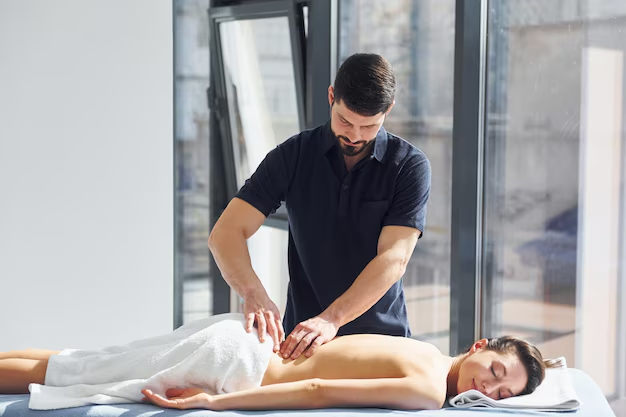
What Do Massage Therapists Really Do? A Comprehensive Guide
Massage therapy has long been heralded as a pathway to relaxation and wellness. But beyond the aromatic oils and soothing music lies a profession that intertwines art with science. Understanding the role of a massage therapist is essential not only for those considering a career in massage therapy but also for consumers looking to make informed health decisions. Let's delve into the multifaceted world of massage therapy, exploring what these professionals do, how they influence financial decisions, and why they have become essential in today's wellness-centered culture.
The Core Role of a Massage Therapist
Understanding the Basics
A massage therapist is trained to manipulate the soft tissue muscles of the body to relieve pain, improve health, and increase relaxation. Their work is rooted in an understanding of human anatomy and physiology, which allows them to customize their techniques to meet individual needs. This knowledge empowers therapists to aid in injury recovery, enhance blood circulation, and contribute to mental well-being by reducing stress and anxiety levels.
Techniques Used in Massage Therapy
Massage therapists employ a range of techniques that vary in intensity and purpose:
- Swedish Massage: The most common form of massage therapy in the West, known for its gentle approach that helps with relaxation and tension relief.
- Deep Tissue Massage: Targets deeper layers of muscle and connective tissue, often used for chronic pain and injury rehabilitation.
- Sports Massage: Geared towards athletes, focusing on areas of the body overused and stressed from repetitive and aggressive movements.
- Trigger Point Therapy: Concentrates on relieving pain in specifically tight areas within muscle tissue.
- Reflexology: A practice based on the principle that there are reflex points on the feet, hands, and head linked to every part of the body.
📝 Key Takeaways:
- Massage therapy is not just about relaxation; it incorporates diverse techniques tailored to individual health needs.
- Understanding different types of massage can enhance your therapy experience and address specific health concerns.
Financial Implications in Massage Therapy
Pursuing a Career in Massage Therapy
Financial considerations for individuals entering the field include the costs of education, licensing, and potential earnings. Becoming a massage therapist typically requires graduating from an accredited massage school, which includes completing a specified number of training hours and examinations. Anticipate expenses for tuition, textbooks, and any additional certifications one might seek.
Estimating Earnings
The earning potential for massage therapists can vary significantly based on location, specialty, and work environment:
- Private Practice: Operating a private practice might require significant startup costs, including equipment, rent, and marketing, but offers autonomy and potentially higher income.
- Employment in Spa or Clinic: Offers job stability and benefits, though income might be limited by employer-set fees.
- Freelance Work: Provides flexibility and the ability to set one's own fees, with earnings dependent on client base and pricing strategy.
Cost vs. Benefit Analysis for Consumers
Consumers often weigh the cost of massage therapy against potential health benefits. Regular sessions can be a financial investment but might lead to reduced medical costs over time by alleviating chronic pain or managing stress-related conditions.
💰 Financial Tips:
- Research and plan for the costs associated with entering the massage therapy profession.
- Consider the long-term health benefits when budgeting for regular massage treatments as a consumer.
Licensing and Professional Considerations
Certification and Licensing Requirements
Each state or country has its own regulatory body governing the practice of massage therapy. Standard requirements might include:
- Completing a certain number of educational hours from an accredited institution.
- Passing a national or state certification exam.
- Ongoing education to maintain licensure.
Engaging with professional organizations can provide networking opportunities, continuing education, and credibility in the field.
Setting Up a Business
For those looking to start their own practice, important considerations include:
- Location: Choose a site that's accessible and appealing to your target market.
- Insurance: Liability insurance is crucial to protect your business against potential legal issues.
- Marketing: Building an online presence through a professional website and social media platforms can attract new clients.
- Business Plan: A clear business plan detailing goals, target market, and financial projections is important for business success.
🔍 Actionable Steps:
- For aspiring therapists, familiarize yourself with local licensing requirements and professional organizations.
- When setting up a business, invest in thorough research and planning to ensure sustainable growth.
The Wellness Economy and Its Impact
Rising Demand for Holistic Therapies
The wellness economy is booming as individuals increasingly seek holistic approaches to health. This shifting landscape presents both opportunities and challenges for massage therapists. The growing awareness of lifestyle diseases has prompted more people to opt for preventive health measures, including regular massages.
Financial Planning and Health
Incorporating massage therapy into a holistic financial plan requires balancing immediate expenses with long-term health benefits. Employers are recognizing the benefits of wellness programs, sometimes including massage therapy as part of workplace wellness initiatives—a trend that can create additional job opportunities for therapists.
🌿 Wellness Insights:
- The integration of massage into wellness and health programs reflects shifting consumer priorities towards preventive care.
- For therapists, understanding market trends and consumer behavior can guide business strategies and service offerings.
The Future of Massage Therapy
Technological Advancements
Innovations in technology are shaping the future of massage therapy. Tools such as massage guns and apps that facilitate mobile bookings are transforming how therapists deliver and market their services. Staying updated with tech trends can help therapists remain competitive and enhance the client experience.
Adapting to Changing Consumer Needs
The ability to adapt to consumer needs and preferences remains a core part of any thriving massage therapy practice. Whether integrating new techniques or offering online consultations, staying attuned to consumer feedback and industry trends is key to longevity.
☑️ Next Steps for Practitioners:
- Embrace technological advances to improve service delivery and efficiency.
- Continuously assess consumer feedback to adapt services and meet evolving expectations.
In Summary
Understanding the role of a massage therapist extends beyond the physical act of administering massages. It encompasses a broad spectrum of skills and knowledge, from mastering diverse techniques to managing the financial and business aspects of the profession. For consumers, the growing wellness trend underscores the importance attached to massage therapy as part of a larger, holistic approach to health. As this field continues to evolve, both practitioners and consumers stand to benefit from a shared commitment to well-being and innovation.
By embracing these practical insights and actionable strategies, you can make well-informed decisions whether you're considering a career in massage therapy or looking to enhance your wellness routine. With the right knowledge and planning, the potential of massage therapy to enrich both personal and professional life is significant.